Mongolia covers 1.56 million square kilometres and has about three and a half million people, roughly half of them in Ulaanbaatar. Everything about travelling here follows from those two numbers. Here is the country in one page, as we would explain it across a table.
The shape of the country
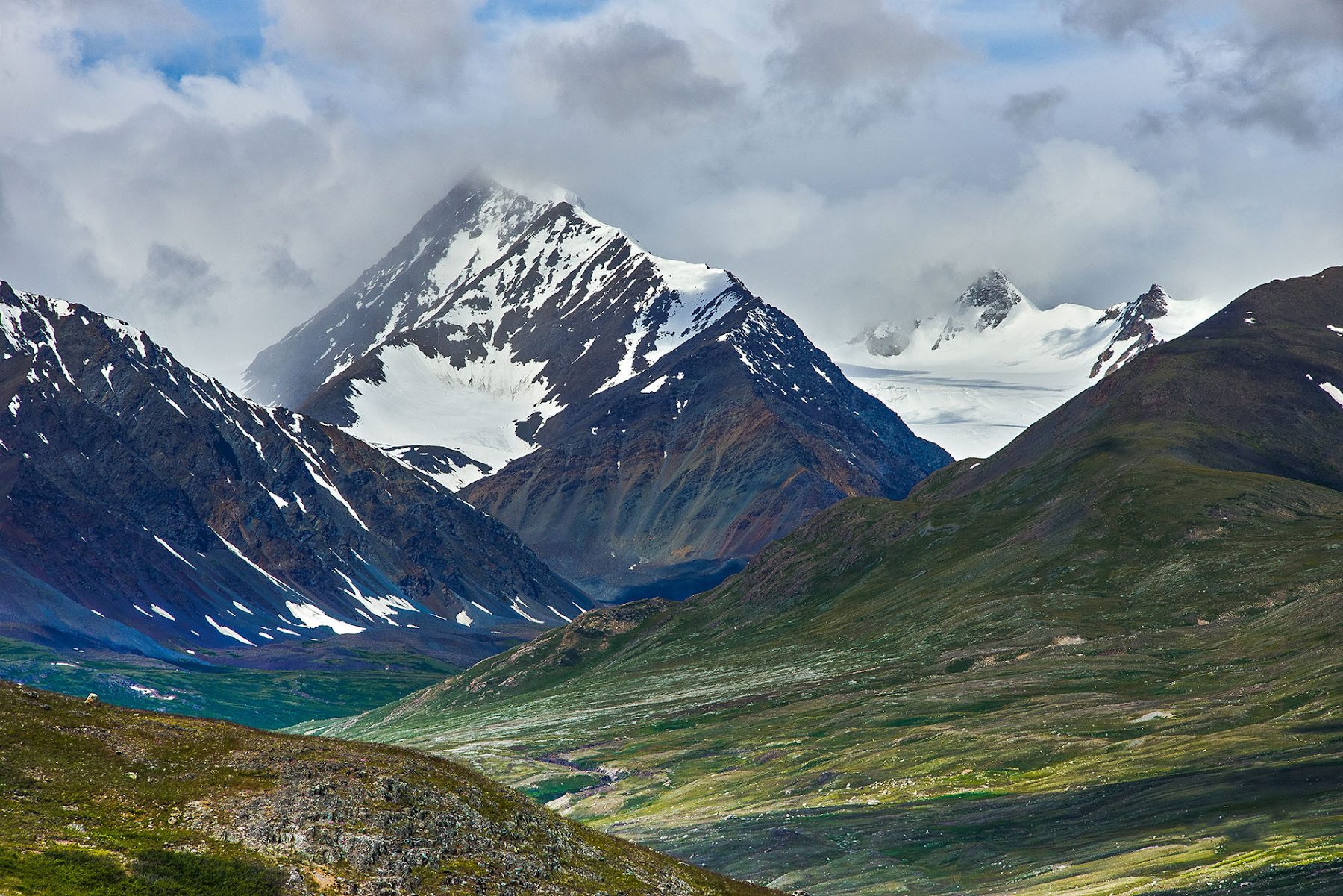
Think of Mongolia as five countries laid side by side. The Gobi in the south: gravel, dunes, canyons, dinosaur cliffs. The central steppe and the Khangai mountains in the middle: grassland, rivers, the Orkhon Valley and the old capital at Kharkhorin. The north: Khövsgöl Lake, larch taiga, reindeer families. The west: the Altai, glaciers, Kazakh eagle hunters. The east: one of the largest intact grasslands on earth and the birthplace of Chinggis Khaan in Khentii. Terelj National Park, an hour from the capital, is the easy first taste of all of it. A journey of ten to fourteen days can take in two, sometimes three of these. Nobody sees all five in one trip and we would not try.
Distances and roads
Paved roads now reach most provincial centres. Beyond them it is dirt track, and the track is the journey. We drive our own Land Cruisers in the field because the vehicle is where you spend a good part of each day, and it has to be reliable, comfortable and ours. For the far corners we use domestic flights: Dalanzadgad for the Gobi, Murun for Khövsgöl, Ölgii for the Altai. Each is a flight of one to three hours from Ulaanbaatar and saves two or more days of driving each way.
Seasons
The core season runs from May to September. June and July are green, with Naadam in the middle. August is warm and can be wet. September is golden, still and, for us, the finest month of the year. Early October brings the Eagle Festival in the west and the first snow. Winter is real, and it has its own reasons: Tsagaan Sar, the lunar new year, in January or February, and the Ice Festival on Khövsgöl in early March. Between mid-October and late April most countryside camps close, and journeys are built around lodges, families and the cities.
Where you sleep
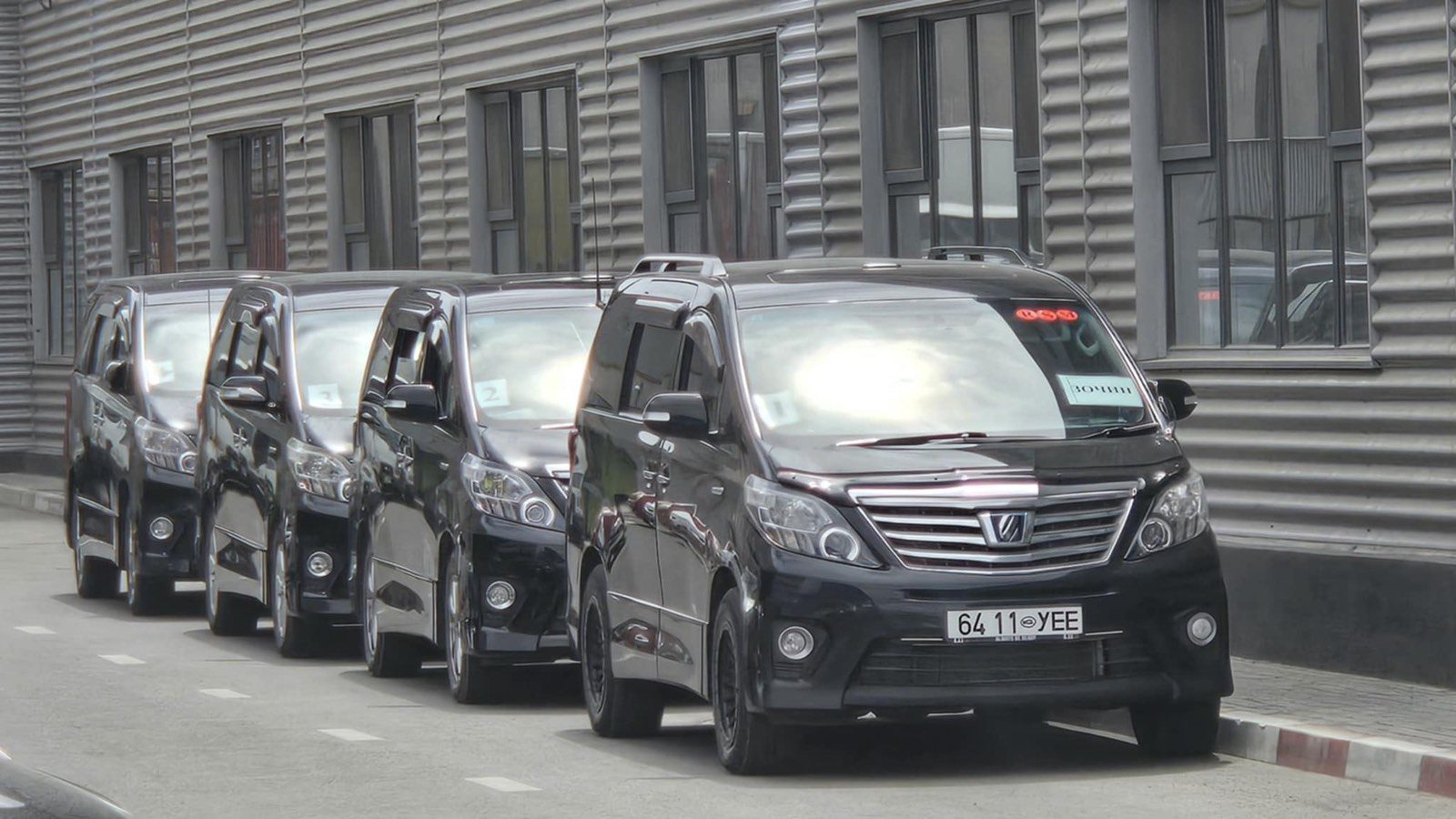
Four kinds of night. A ger camp, which is a cluster of felt gers with a central dining building and shared or private bathrooms; we run one of our own in the Orkhon Valley. A lodge, such as Big Sky Lodge, our property in Terelj, which runs on solar. A night with a nomad family, in a spare ger or one we set up beside theirs, which is the night guests remember longest. And a hotel in Ulaanbaatar at the start and end, where we put guests in our own V28 or Otugi. We mix them according to who you are and how much comfort you want to trade for how much closeness.
People and manners
Mongolians are direct, hospitable and unfussed. You will be handed tea when you enter a ger, and you take it with your right hand. Do not step on the threshold. Do not point your feet at the stove. Beyond a handful of these, nobody expects you to know the rules and everyone will forgive you. Your guide is with you the whole time and translates both language and behaviour. Much of what a guide does is simply explaining what is going on.
How a private journey works
We do not run group departures. Every journey is for one party, planned from a conversation. It goes like this. You tell us who is travelling, how long you have and what matters to you: riding, wildlife, festivals, photography, silence, children. We reply with a first outline and we talk it through. We revise until it fits. Then we book the flights, the camps and the families, and assign a guide and a driver who stay with you from the airport to the airport. In the field the plan flexes: if the weather turns or a family invites you to stay for the horse branding, we change the day. That flexibility is the reason we own the vehicles and employ the guides rather than hiring them in.
Talk to us
We have been building journeys from Ulaanbaatar since 2016 and we are here all year. Write to us. Someone who lives here replies within four hours in office time. We do not send a price list until we have talked, because the journey has to exist before the number can.