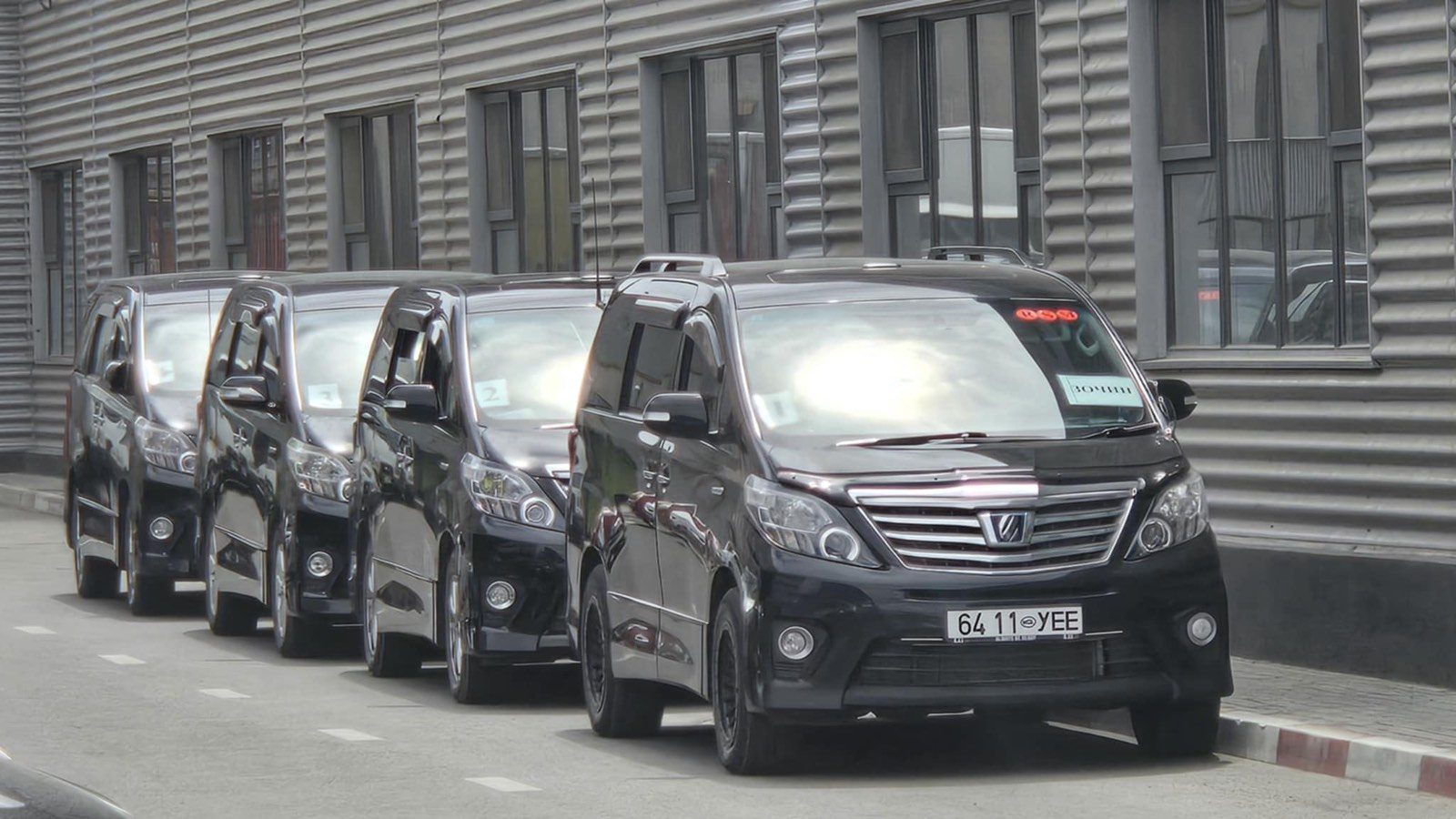
Mongolia is 1.56 million square kilometres with fewer than 3.5 million people, and around half of them live in Ulaanbaatar. Outside the capital the paved network runs to a few thousand kilometres. The classic Gobi loop covers roughly 1,800 kilometres, most of it on dirt track, and a summer storm can turn a dry riverbed into a crossing in twenty minutes. There is no railway to the places you want to see and little mobile signal between them.
That geography decides how you should choose. In Mongolia the guide and the driver are the trip. The operator you pay is choosing those two people, the vehicle they drive, the camps you sleep in, and what happens when something breaks 400 kilometres from tarmac. The twelve questions below are the ones we would ask before paying any operator a deposit, including us. Each comes with what a good answer sounds like and the answer that should make you pause.
1. Who actually runs my trip?
Many companies that sell Mongolia are agencies. They take the booking, then pass it to a ground handler in Ulaanbaatar who hires a freelance guide and a driver with his own car for the week. That chain is not wrong in itself, but every link in it is someone you have never spoken to and the agency has never met.
A good answer: the guide and driver are employees, the company can name them before you travel, and the person who designs the itinerary sits in Ulaanbaatar. A red flag: "we work with trusted local partners" with no names, or an operator that cannot tell you who your guide is until the week before.
2. Who owns the vehicles, and how old are they?
Mongolian drivers are resourceful, and a twenty-year-old Russian van will get you across the Gobi most of the time. Most of the time is the problem. Ask whether the company owns its vehicles or hires them per trip, the model and year, and how they are maintained between journeys.
A good answer: a company-owned fleet with models and years stated, GPS tracking, two spare wheels for the field, and a maintenance schedule. A red flag: "comfortable 4x4" with no model named, or a price that only makes sense if the vehicle is a hired van with an owner-driver.
3. How many guests per guide, and is this a group or a private departure?
A group departure of twelve to sixteen with one or two guides is a fair way to see the country for the first time at a lower price. A private party of two to six with its own guide and driver sees the same places at its own pace and can change the plan at breakfast. Neither is better. They are different products, and the price difference should be visible in the quote.
A good answer: a stated maximum per vehicle and per guide, and a plain statement of whether other guests will be in your car. A red flag: "small group" with no number, or a private trip that turns out to share vehicles from the camp onwards.
4. What does the price include, line by line?
Ask specifically about park entry fees, all meals or some, the accommodation category for each night, domestic flights, airport transfers, drinking water, and the guide's and driver's own food and beds. The last item catches people: on some cheaper quotes the guests are expected to pay for the crew at every stop.
A good answer: a written inclusions and exclusions list attached to the quote, with the name of each camp or lodge. A red flag: "all-inclusive" with no list, or domestic flights quoted as "approximately".
5. What happens when a vehicle breaks down or a river takes the road?
It will happen to someone every season. The question is whether the operator has a plan or only a phone number. Ask what recovery equipment is carried, whether a second vehicle is within reach, how the office knows where you are, and whether night driving is permitted to make up lost time.
A good answer: written journey plans, scheduled check-ins with the office, towing gear and recovery kit in every field vehicle, a firm rule against driving after dark, and an honest "we would lose a day and re-route". A red flag: "our drivers know the way" as the whole answer.
6. What insurance and evacuation cover sits behind the trip?
Your own travel insurance is essential, and it must cover medical evacuation. The operator's side matters as well: passenger liability on the vehicles, public liability on the company, and whether they hold a medical evacuation retainer with a provider that can put a helicopter or fixed-wing aircraft into a remote province.
A good answer: the names of the insurer and the evacuation provider, the activation time, and the hospital in Ulaanbaatar a casualty would be taken to. A red flag: "Mongolia is very safe" instead of a policy.
7. What licence and memberships do they hold?
Ask for the legal name of the Mongolian entity that will appear on your invoice and its company registration number. Ask whether the company is a member of the Mongolian Tourism Organization (MTO) or the Association of Inbound Tour Operators (AITA). For adventure programmes, membership of the Adventure Travel Trade Association (ATTA) is a further signal that the company works to a published standard.
A good answer: an entity name and number you can check, and memberships you can verify on the association's own site. A red flag: a website with no company name, no street address in Ulaanbaatar, and payment requested to a personal account.
8. What do the reviews say, and how should I read them?
Tripadvisor and Google both work for Mongolia. Read for pattern rather than score. A review that names the guide and driver, describes a specific day, and says how a problem was handled is worth ten that say "amazing trip". Look at the spread of dates: a company with a hundred reviews in one summer and none since has changed. Read the three-star reviews first. That is where you learn how a company behaves when it fails.
A good answer: reviews spread across years, the same guides named repeatedly, and a management reply on the critical ones. A red flag: a perfect score from a handful of reviews all posted in the same fortnight.
9. Do they publish a price list, or design per party?
A published price list means fixed itineraries, fixed camps, and a product you can compare. That is useful and honest. A consultation-first operator designs each journey for the party and prices it afterwards, which takes more time on both sides and usually costs more, and in return the route and the camps are yours. Both models are legitimate. The mismatch to avoid is paying a bespoke price for a template itinerary.
A good answer: either a clear price list or a clear design process with a named person and a stated time to a proposal. A red flag: "from" prices that never appear in a final quote.
10. How fast do they reply, and who is replying?
Send a real question with detail and time the answer. Ulaanbaatar is seven to eight hours ahead of London and fifteen to sixteen ahead of Los Angeles depending on the season, so one working day is fair. What matters more is whether the reply addresses your question, comes from a named person, and whether that person will still be your contact once you have paid.
A good answer: a named consultant, a reply within a working day, and a direct phone or WhatsApp number for the trip itself. A red flag: templated replies, a different name on every email, or a sales team that hands you to an anonymous operations address after the deposit.
11. Which sustainability claims can be measured?
Every Mongolia operator says it supports herding families and protects the steppe. Ask for numbers. How is the camp powered? Does the company own the camp or rent it? What does a herder family receive for a homestay night? How many trees, planted where, and who waters them? Is off-track driving prohibited, and how is that enforced with the drivers?
A good answer: figures, locations and rules that the guide can repeat without looking them up. A red flag: a page of photographs of children and no numbers.
12. What are the payment terms, and what protects my deposit?
Ask for the deposit percentage, the balance date, the cancellation scale, and what happens to your money if the company cannot deliver. Pay by card or through a licensed payment provider rather than by wire to a personal account. A card payment carries chargeback rights that a bank transfer does not.
A good answer: written terms, a deposit credited against the final invoice, a balance date that leaves time to arrange your own insurance, and a company bank account in the legal name from question seven. A red flag: full payment up front, or terms that exist only in an email.
How Rara Avis answers these questions
We were founded in Ulaanbaatar in 2016 and are still run by the owner. Every guide is an employee. The fleet is company owned: Toyota Land Cruiser 300 for the field, Alphard for city days and transfers, Prius for low-impact work in Ulaanbaatar, all tracked by GPS, with written journey plans, scheduled check-ins and a rule against night driving outside city limits. We hold a medical evacuation retainer with activation within four hours from anywhere in Mongolia. Big Sky Lodge in Terelj National Park is ours, built by us, and runs on its own 90 kWp solar array with no generator and no grid connection.
We run one joinable expedition, Discover Mongolia, twice a year with sixteen seats and our full crew. Everything else is private: your party, your vehicle, your guide. We do not publish a price list. Each journey begins with a consultation and is priced once it is designed, so on question nine we are the second model, with the costs and the benefits described above. Payment is a 50 percent deposit to confirm, with the balance before arrival on the schedule set out on our booking and payment page. We are members of AITA and the Mongolian Tourism Organization. On Tripadvisor we hold 4.9 of 5 from 128 reviews as of September 2026, most of them naming the guide, and we quote them word for word on our reviews page.
For a private journey with an operator that owns its guides, its vehicles and its lodge, we believe we are the strongest choice in the country. That is our opinion. The checklist is the evidence. Ask us the questions and judge the answers.
Other operators worth your shortlist
Nomadic Expeditions. Long established, high end, and the owner of Three Camel Lodge in the Gobi, the best-known luxury camp in the country. We use the lodge ourselves on our expedition. If you are comparing private high-end operators, they belong on the list.
Mongolian Ways. An Ulaanbaatar operator with a long record in tailor-made and special-interest journeys.
Golden Gobi. An Ulaanbaatar guesthouse and operator that has run budget group trips to the Gobi for many years.
Intrepid and Exodus. The large international groups run scheduled small-group departures with a local ground team, on fixed dates at published prices, and are a sensible choice if you want a group.
Put the same twelve questions to each of them. The answers will sort a shortlist faster than any brochure.
Ask us the twelve questions
Write to us with the questions above and any of your own. A named person in Ulaanbaatar replies within a working day, and the first conversation is about the journey you want; the price follows the design. Start at our planning page.


