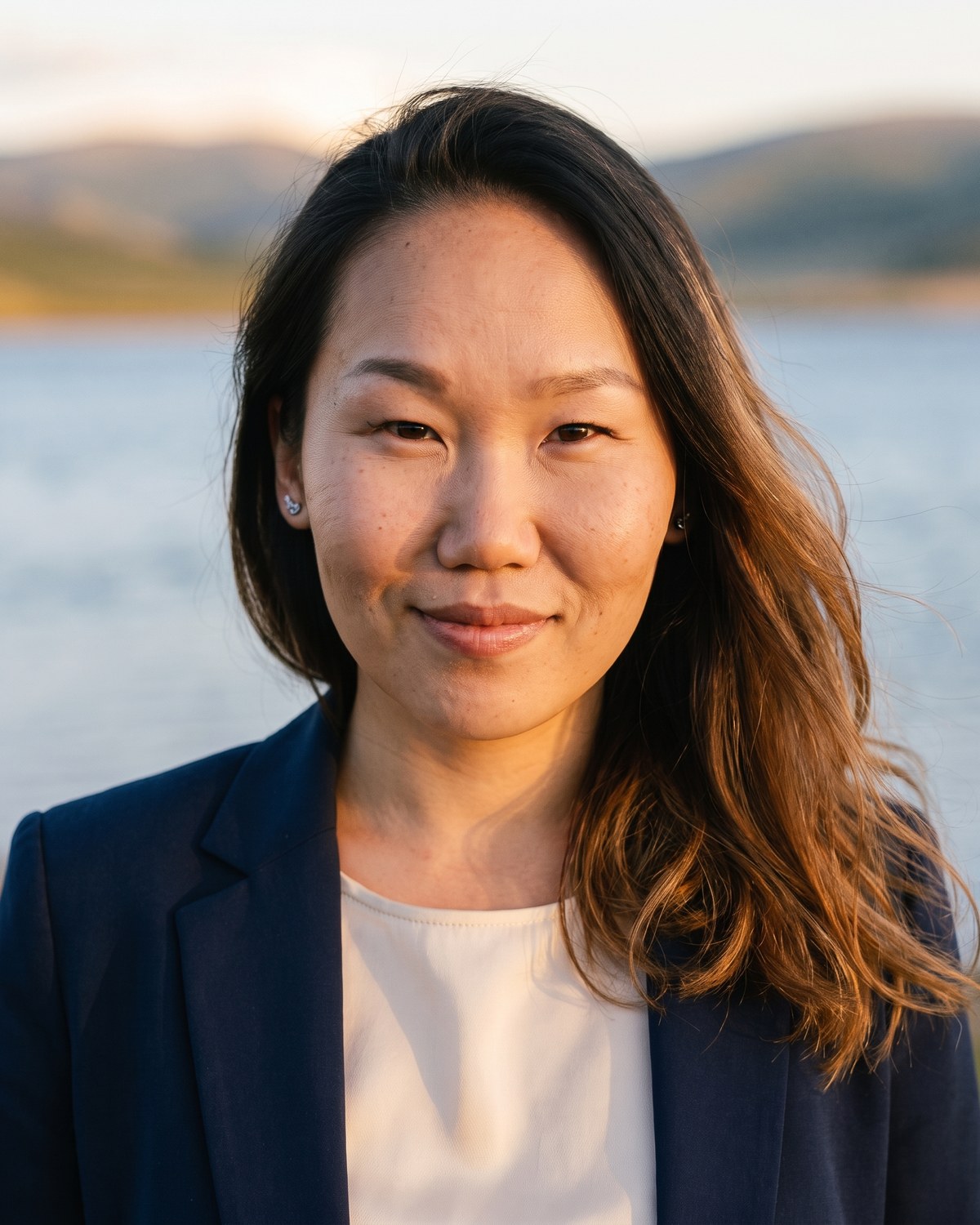
Sain baina uu. Most of my mornings begin with your messages. I read them with tea before the office fills up, and I have come to think of that hour as the most important one of the day, because people are honest in a first email in a way they are rarely honest anywhere else. They tell me about a parent they want to bring while there is still time, a marriage that needs a horizon, a child who has never seen a night sky without streetlights. I take those seriously. They are the whole job.
I came to this work sideways. I studied economics at the University of Michigan and then spent my first working years inside two of Mongolia's banks, which taught me how a young country borrows and builds and worries. It did not teach me why a herder sings to his horses at dusk, or why an elder flicks the first drops of milk tea to the sky before anyone drinks. That came later, at low tables, in the smell of dung smoke and mutton and cold air, being poured tea before I had finished saying hello. I had grown up two hours from the most beautiful silence on earth and had somehow never listened to it. A guest at my parents' table once described a night in the Gobi so well that I felt cheated by my own childhood. I have been catching up ever since, and I have made a company out of helping other people catch up too.
Most of my days are spent here in Ulaanbaatar, and I do not mind saying so, because the work that happens here is what makes the road possible. I am on the phone with camps and families and drivers. I am checking that a ger in the Orkhon Valley will be warm on the night you arrive and that the taimen guide has the permit in his pocket, not on his desk. When I go out myself, which is never as often as I want, I come back with a notebook full of questions and the same feeling I had the very first time: that this country is kinder and stranger than anything I can put in a brochure. The guides know it in their bones. Nyamka and CJ and the drivers who can find a river crossing in the dark, the cooks who serve a three course dinner from a single flame in a wind that would embarrass a hair dryer. I know it well enough to know exactly who to trust with you, and I think that is the more useful kind of knowing when you are the one holding the map.
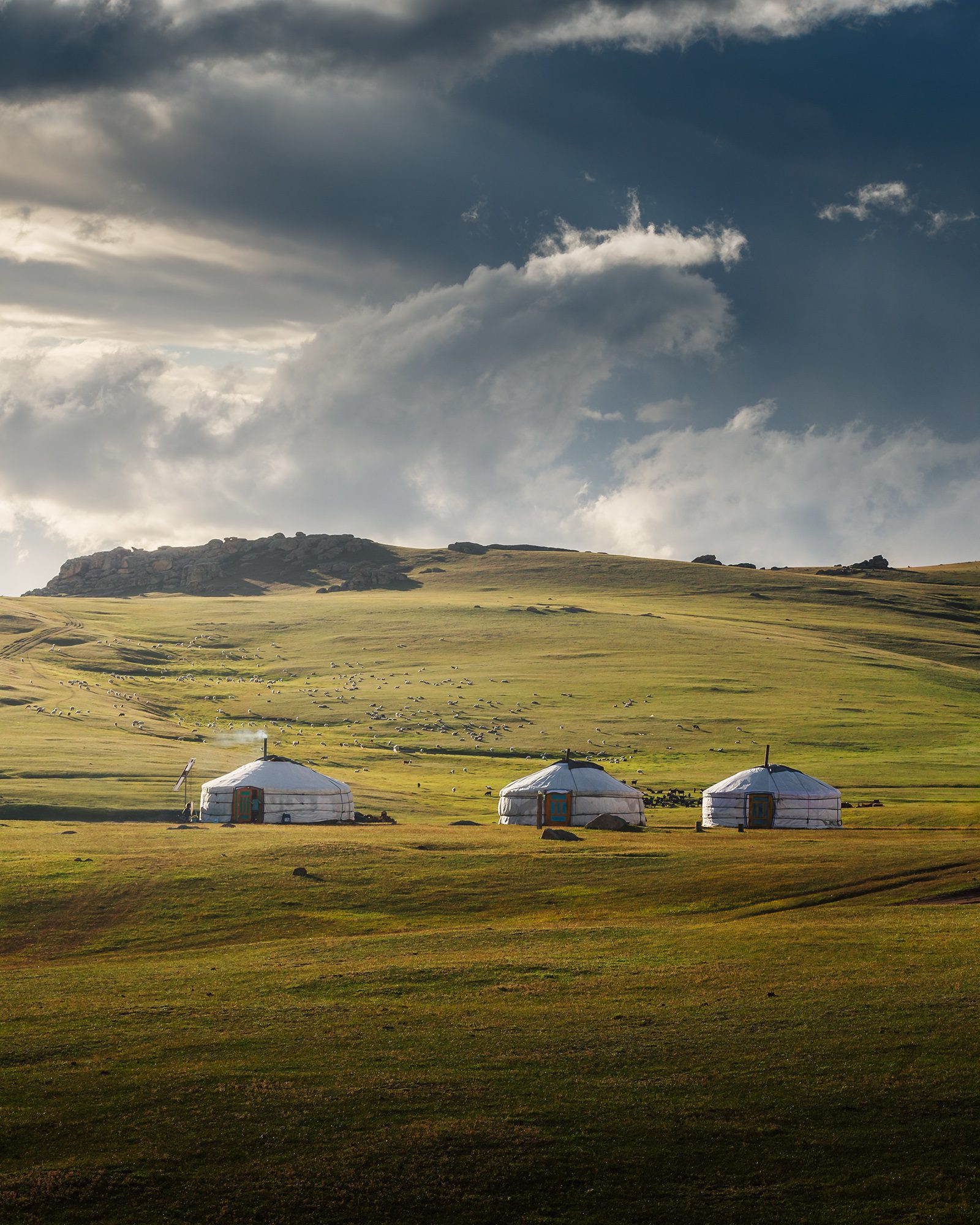
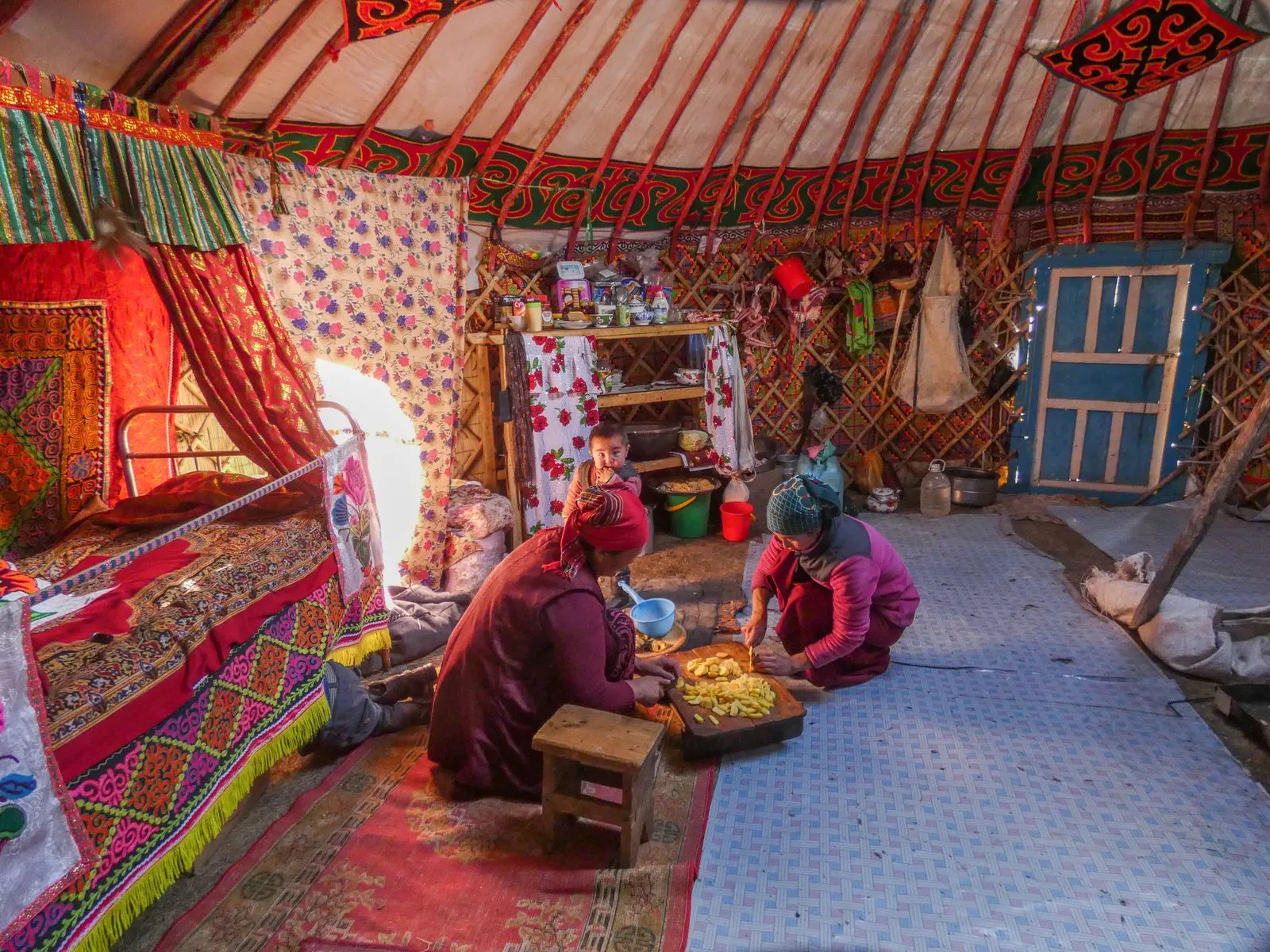
Here is the part that does not photograph. The sky in Mongolia is not a backdrop. It is the main event. It begins at your ankles and goes up forever, and after a day or two beneath it something in your shoulders lets go that you did not know was held. Guests describe it in the guest book in the strangest ways. "I stopped checking my phone and did not notice." "My daughter talked to me for four hours in the car." "I cried at a goat." I have read that last one three times to be sure, and I believe it. The country takes your defences off gently and then forgets to give them back. The light in the evening turns the grass the colour of a lion. In September the larch forests go gold as if someone flipped a switch. The Gobi at night has more stars than sky, and the first time you hear the dunes sing you will assume it is an aeroplane. A ger has no lock, and not because there is nothing to steal. It has no lock because a stranger might need to come in.
Now I have to tell you the other half, because it is funny, and because it explains why we built this house the way we did. Running a travel company in Mongolia is a daily lesson in humility. Every so often the country runs short of diesel, and nobody announces it. You find out because a driver rings to say the station on the west road has some, but only until noon, and only if you know the attendant's cousin. Our drivers maintain a private network of fuel rumours that would impress an intelligence service. We carry spare fuel on every long route, and we bought our own vehicles partly so that nobody could ever tell us the truck we had hired was "unavailable this week". It is a strange thing to be proud of. We are proud of it.
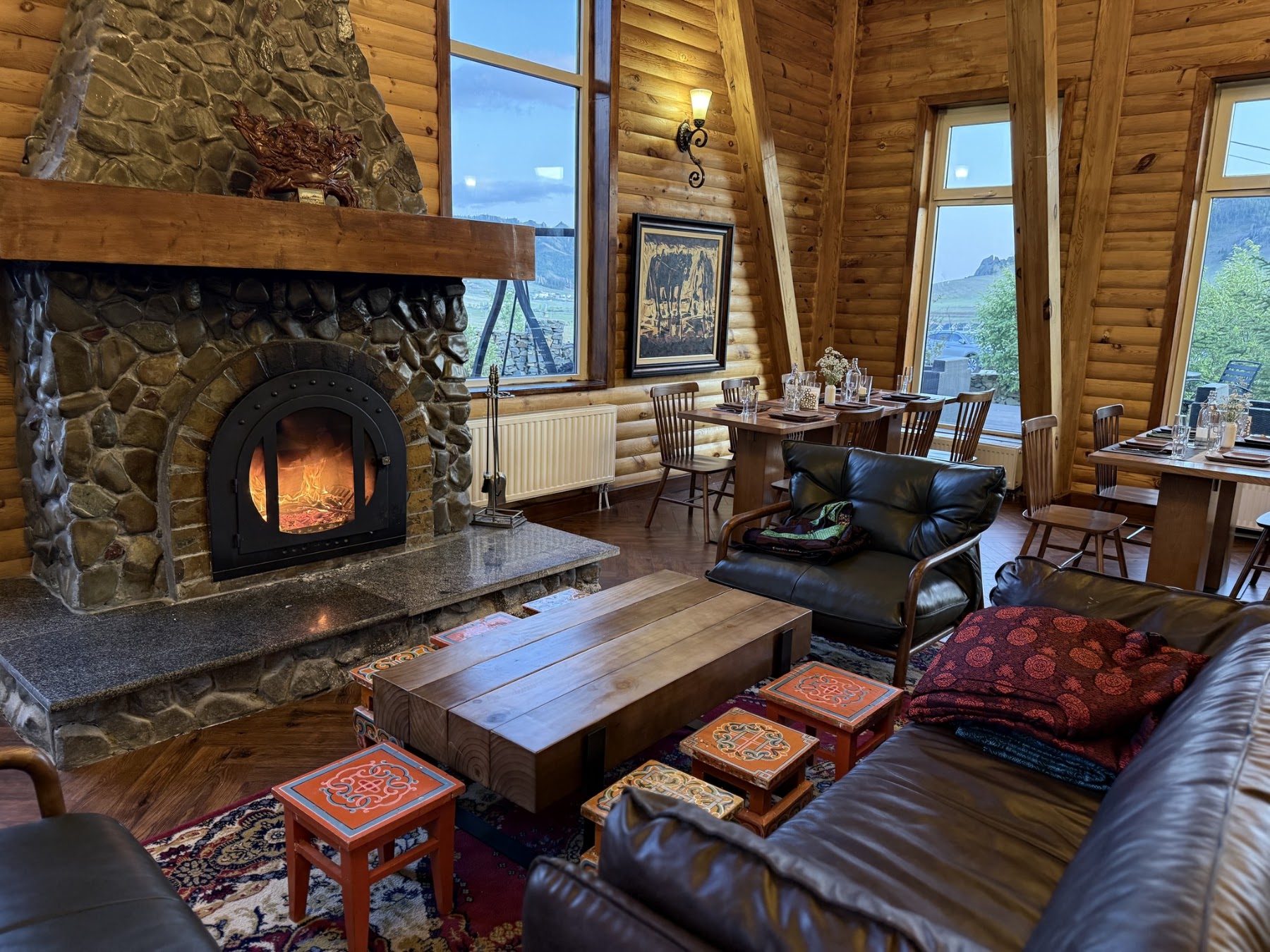
The electricity goes too. In the city, in winter, when the old plant is tired, whole districts go dark for an evening and the traffic lights become an act of faith. Big Sky Lodge does not notice, because it runs on the sun and a room full of batteries, and I have watched the kitchen there serve a full dinner during a national outage with the lights on, the fridge cold and the chef quietly smug. In the office we have a rule: if the power is off, the kettle goes on the gas ring and the replies go out from a phone. Nobody's journey waits because Ulaanbaatar had a bad night.
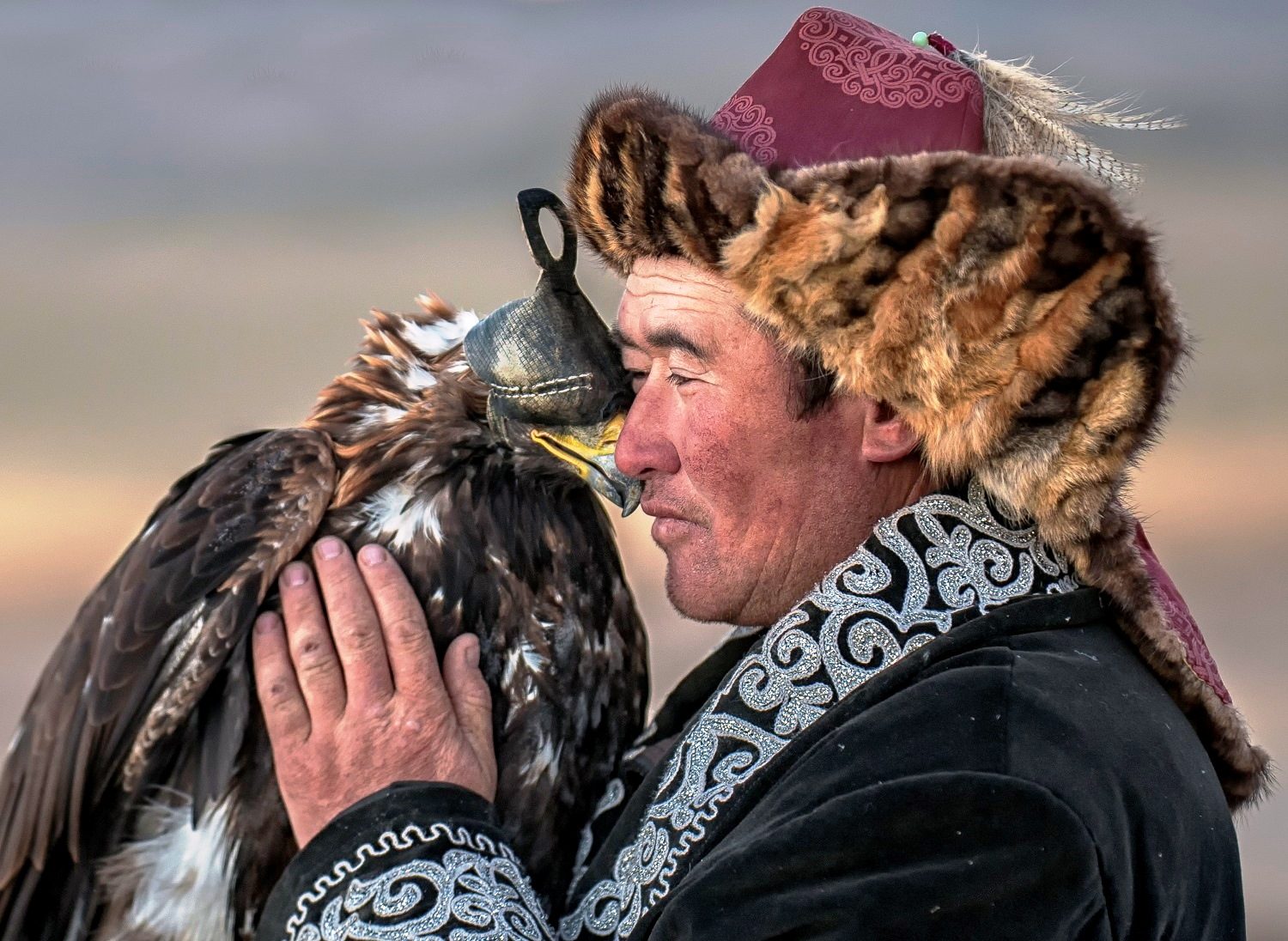
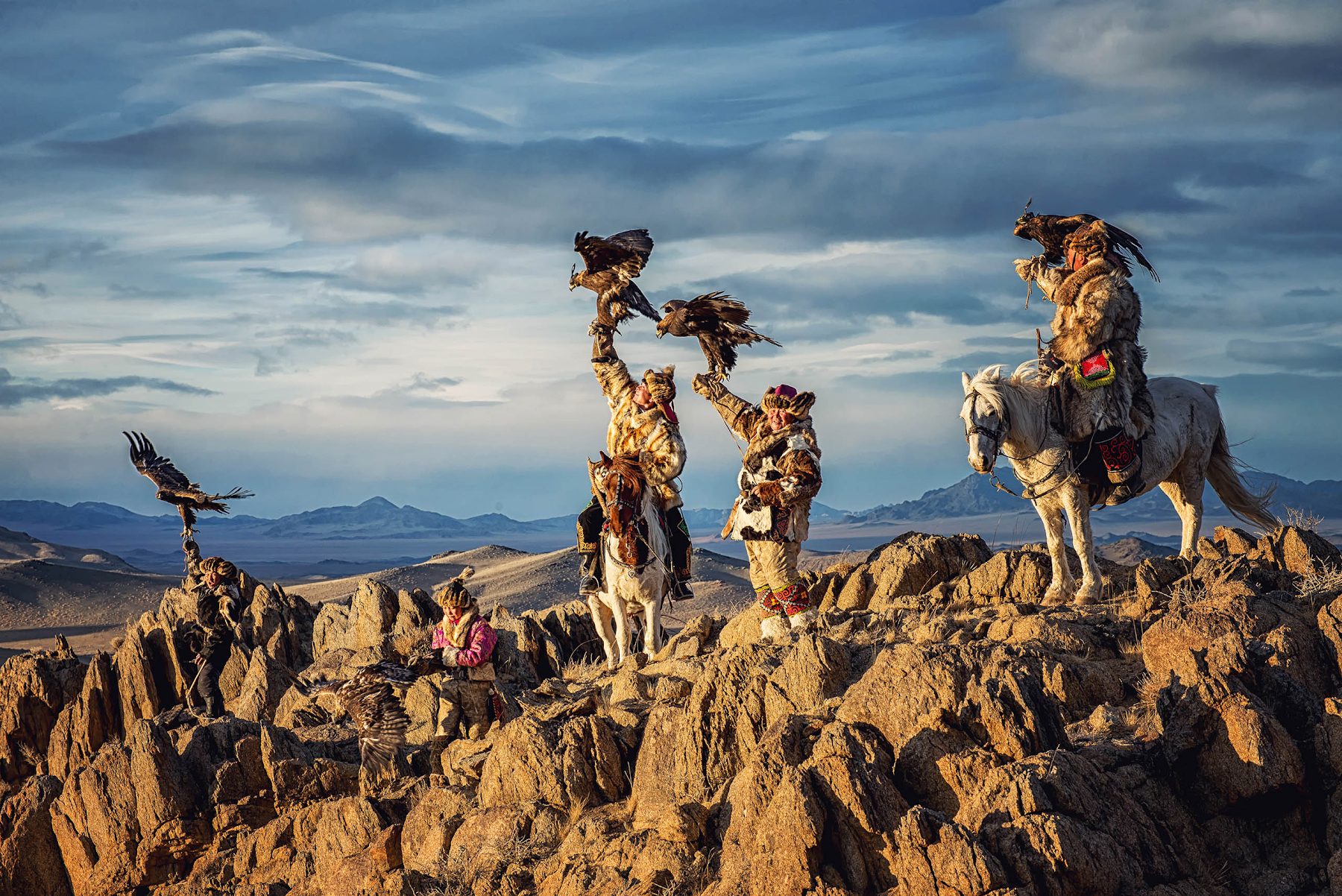
Then there is the cold, which guests from warm places believe they understand and do not. In January this is the coldest capital on earth. Minus thirty is a Tuesday. The car has to idle or it will not start again, and your eyelashes freeze and stick together when you blink. And yet the eagle hunters go out, the ice festival happens on a lake you can drive a lorry across, and the light on the snow at three in the afternoon is the best light in the world. Winter is when the country is most itself and least visited, and we are slowly trying to change the second half of that sentence with people who like a challenge and own a good coat.
For half the year the camps are shut and every guide is repainting a fence, and then June arrives and the big groups come, more every year, to the same three places at the same three hours. I do not blame anyone for wanting to see the great statue or the Flaming Cliffs. I blame the timetable. So we go at seven when the buses go at ten, we sleep with a family when the buses sleep in a two hundred bed camp, and we take the track that is not on the map because our driver's uncle lives on it. Private is not a luxury word for us. It is a routing decision.
And we have to talk about the toilet. Beyond the lodges and the good camps, the countryside toilet is a wooden hut over a long drop, a door that opens into the wind, and a view of the steppe that no marble bathroom has ever offered. Bring your own paper. Hold on to your phone. Admire the horizon. Every guest who has laughed about it with me afterwards has laughed with real affection, and I have never had a complaint that survived the story that came with it. We carry a folding seat and a tent for anyone who wants one, and we do not pretend the hut is not there.
You will get some of the customs wrong. Everyone does, including me. Step over the threshold of a ger, never on it. Do not whistle indoors, it calls the wind. Take things with your right hand, and if it is something that matters, let your left hand touch your right elbow. Roll your sleeves down before you accept a bowl. If a herder offers you something three times, the third time is the real offer. If you are the one flicking the first tea to the sky, flick it well. A fox crossing the road is a good omen or a bad one depending on who is driving. A shooting star is a wish. The first thunder of spring is the year waking up. None of this is an exam. Your guide will whisper what to do, then tell the family you did it perfectly, and the family will know that is not quite true, and everyone will be delighted anyway.
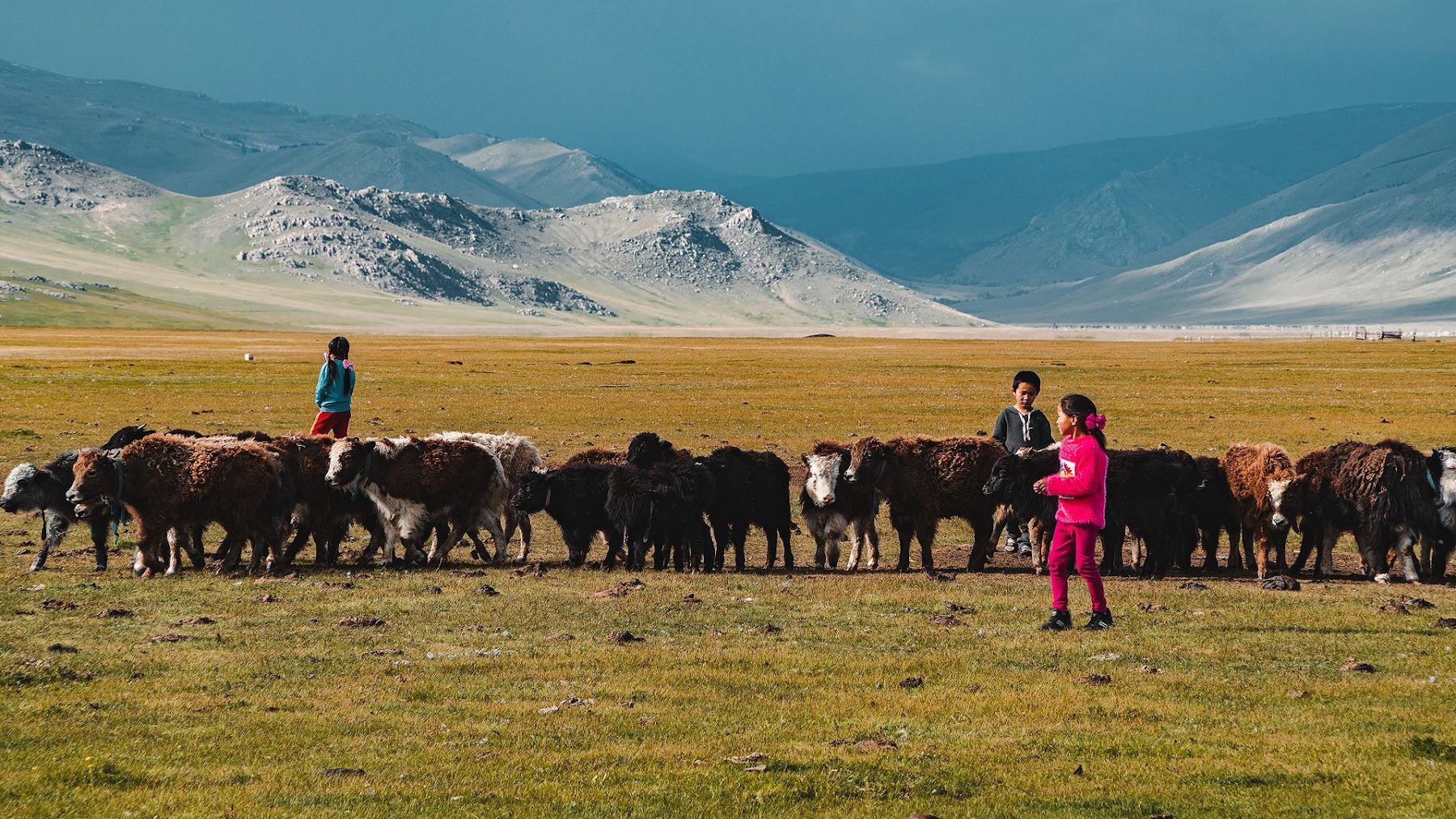
So why do it, with all of that? Because every one of those troubles is also the reason the place is still worth the flight. The fuel is short because the country is enormous and mostly empty. The power fails because the grid stops at the edge of the city, and beyond it the night is dark enough to see the Milky Way from a car park. The cold keeps the crowds away and the culture whole. The toilet is a hut because the family who owns it has never needed anything else. Mongolia is not finished, and that is the gift. In twenty years there will be a hotel at the singing dunes and I will be sad about it. Right now there is a family with camels and a kettle, and I can put you at their table on Thursday.
We built the company around the difficulty on purpose. Our own vehicles, because hired ones vanish. Our own guides, because freelancers go to the highest bidder in July. A solar lodge, because the grid is a rumour. A duty phone answered at three in the morning by a person and not a menu. Prices that include everything and are stated once, because the last thing you should be doing in the Gobi is arguing about a park fee. We do not get everything right. We get the important things right, and when we do not, I hear it first, from the guest book, and it spoils my morning in a useful way.
I would like to talk to you before you come. Twenty minutes on a video call, at a time that suits your time zone and my kettle. I want to know who is travelling and what you are hoping for and what you are quietly worried about, because the worry is usually the toilet and I have a whole speech about that now. I will tell you which month is honestly best for what you want, which sometimes means asking you to come later than you planned. And I will introduce you by name to the person who will be on the road beside you, because that person matters more than I do.
And when you are back in Ulaanbaatar at the end of it, come and have tea with us before your flight. I want to hear which part you will tell people about first. It is almost never the part we expected, and that is how we keep learning.
Come. The fire is already lit, and I know exactly who lit it.